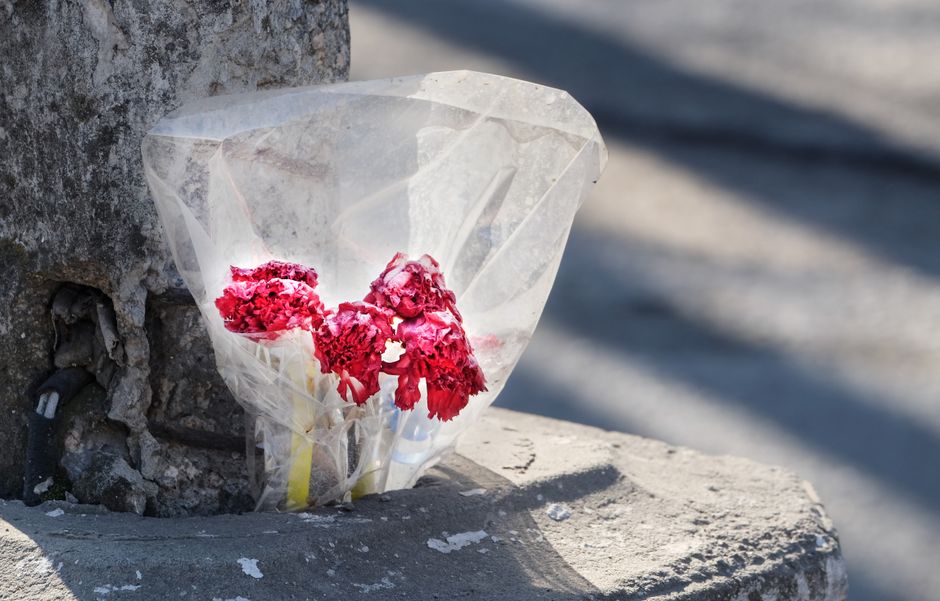
Highbury memorial flowers Islington council disposal rules
Posted on 03/10/2026
If you have ever stood near a memorial in Highbury and wondered what happens to the flowers after the tribute has started to fade, you are not alone. The topic sounds simple on the surface, but in real life it often sits at the point where respect, practicality, and local council expectations all meet. Understanding Highbury memorial flowers Islington council disposal rules helps you avoid awkward mistakes, keep memorial spaces tidy, and handle tribute flowers with the dignity they deserve.
This guide explains how memorial flowers are normally handled around Highbury and wider Islington, what councils usually expect, how to remove flowers respectfully, and what to do if you are unsure whether a tribute should stay or go. Truth be told, there is a lot of guesswork online. Let's clear that up properly.
We will also cover useful alternatives, common mistakes, and practical next steps if you are arranging flowers for a memorial, cemetery, roadside tribute, or family remembrance spot. If you are planning floral tributes more broadly, you may also find our pages on funeral flowers in Highbury and flower delivery in Highbury N5 helpful when you are deciding what to send and how quickly it needs to arrive.
Table of Contents
- Why Highbury memorial flowers Islington council disposal rules Matters
- How Highbury memorial flowers Islington council disposal rules Works
- Key Benefits and Practical Advantages
- Who This Is For and When It Makes Sense
- Step-by-Step Guidance
- Expert Tips for Better Results
- Common Mistakes to Avoid
- Tools, Resources and Recommendations
- Law, Compliance, Standards, or Best Practice
- Options, Methods, or Comparison Table
- Case Study or Real-World Example
- Practical Checklist
- Conclusion
- Frequently Asked Questions
Why Highbury memorial flowers Islington council disposal rules Matters
Memorial flowers are not just decoration. They are a sign of care, grief, remembrance, gratitude, or community respect. That is why disposal rules matter. When flowers are left too long, they can look neglected, block access, or create litter around a grave, bench, tree, plaque, roadside memorial, or public remembrance point. On the other hand, removing them too quickly can feel insensitive to the family or the people who placed them.
In a place like Highbury, where residential streets, parks, cemeteries, and public spaces sit close together, the balance matters even more. A memorial bouquet might be placed in a shared public area, and that means the local authority's approach to maintenance and removal becomes part of the picture. Councils usually want spaces to remain safe, clean, and respectful, and that does not always mean the same thing as leaving flowers indefinitely.
There is also a practical side. Flowers wilt quickly in warm weather, and even in cooler months they can break down, attract insects, or scatter petals into paths and grass. A few loose stems after a rainy spell can look a bit sad, frankly, and no one wants a memorial to end up looking forgotten. The rules, or more accurately the local practice around disposal, help avoid that.
Expert summary: The best approach is usually simple: check whether the flowers are on private memorial ground, cemetery land, or a public space; respect any signs or known local guidance; and remove old tributes gently rather than leaving them to decay. If in doubt, ask before acting.
How Highbury memorial flowers Islington council disposal rules Works
Let's be clear from the start: councils do not all manage memorial flowers in exactly the same way, and not every location in Highbury will be treated the same. The disposal process generally depends on where the flowers are left and who is responsible for the site.
1. Public spaces
If flowers are placed in a public area such as a pavement edge, roadside verge, park railing, or tree base, the council or its maintenance contractor will usually need to keep the site safe and tidy. In those settings, flowers may be removed after they start to deteriorate, or sooner if they obstruct maintenance, access, or safety.
2. Cemeteries and burial grounds
At cemeteries, the arrangement is often more structured. Some grounds allow flowers to stay for a certain period, while others may remove older tributes during routine grounds maintenance. The exact timing is usually guided by the site's own rules rather than a blanket "one-size-fits-all" rule. If the flowers are in a vase or memorial holder, they may last longer than loose bouquets on the ground.
3. Private memorials or family-managed spaces
If a memorial is on private land, such as a garden remembrance spot or a family grave plot with clear upkeep arrangements, the council may not be involved at all. In that case, disposal tends to be a matter for the owner, family, or site manager. Still, the principles stay the same: remove tired flowers respectfully and avoid leaving waste behind.
4. Temporary tributes after an incident or service
Sometimes flowers are left after a sudden death, a local incident, or a funeral service. These can become emotionally important very quickly. A council, church, cemetery, or site manager may wait before clearing them, then lift them in a more coordinated way once the immediate period of mourning has passed. That part can feel delicate. And it is.
In practice, the "rules" are often a mix of official site policy, maintenance schedule, and common sense. If flowers are still fresh and the memorial is clearly being maintained by family or visitors, they may stay longer. If they have browned, collapsed, or spread into the walkway, removal becomes much more likely.
Key Benefits and Practical Advantages
Following the local approach to memorial flower disposal is not about being fussy. It brings several real-world benefits, especially where multiple people share a space.
- It preserves dignity. A tidy memorial feels cared for, not abandoned.
- It reduces conflict. Clear handling avoids disagreements between relatives, neighbours, and site staff.
- It helps maintain safety. Loose stems and wet foliage can become slippery or messy.
- It keeps shared spaces usable. Paths, grass edges, and access points stay clear for everyone.
- It supports better tribute planning. Once you know how flowers are usually handled, you can choose arrangements that last appropriately.
There is a small but important emotional benefit too. Families often find comfort in knowing that flowers are treated with care, not just swept away without thought. That detail matters more than people admit. It can shape how a memorial feels to visit days or weeks later.
Practical benefit? Less waste, fewer messy cleanup moments, and fewer surprises. A wreath or sympathy spray that has been selected well and removed at the right time is simply easier to manage. If you are choosing an arrangement for remembrance, our sympathy flowers and wreaths categories may help you compare formats that are suited to memorial use.
Who This Is For and When It Makes Sense
This topic matters to a few different people, and they are not always the ones you might first expect.
- Family members managing a grave or memorial site.
- Friends and neighbours who have placed flowers at a roadside tribute or public memorial.
- Funeral arrangers and local florists helping clients choose tribute flowers that will last appropriately.
- Cemetery visitors who want to know whether older flowers should be taken away or replaced.
- Community groups tending to shared remembrance spaces.
It makes sense whenever you are dealing with a tribute that will not be cared for daily. For example, if you leave flowers near a memorial on a Friday evening and do not return until the following week, you need to know whether the arrangement is likely to survive the weather and whether the site has a routine clear-up pattern.
It also makes sense if you are choosing between a fresh bouquet and a longer-lasting arrangement. In some cases, a compact tribute or a vase-based design is more practical than a loose hand-tied bunch. Small decision, big difference.
Step-by-Step Guidance
If you need a sensible way to handle memorial flower disposal in Highbury, use this straightforward process. It is not fancy, but it works.
- Identify the site type. Is the memorial in a cemetery, on private land, or in a public space? This changes everything.
- Look for signs or notices. Many grounds have posted guidance about flowers, candles, tributes, or maintenance cycles.
- Check the condition of the flowers. Are they fresh, drooping, waterlogged, mouldy, or already broken down?
- Consider who placed them. If it is likely a family tribute, more sensitivity is needed than if it is simply leftover event flowers.
- Decide whether removal is yours to do. If you are a visitor, you may not want to touch someone else's tribute unless it is clearly being cleared by arrangement or site policy.
- Use gentle handling. If removal is appropriate, lift flowers carefully and avoid scattering petals, ribbon, cards, or plastic wrap.
- Separate reusable and non-reusable items. Cards, cellophane, foam, wire, and tape usually need different handling from plant material.
- Dispose respectfully. Organic material can often go with green waste where allowed, while mixed materials may need general waste disposal.
- Replace, refresh, or re-plant if suitable. For some memorial spaces, replacing spent flowers with a new arrangement is better than leaving a gap.
- When in doubt, ask first. A quick check with the site manager or grounds team can save a lot of awkwardness.
A useful rule of thumb: if the flowers look clearly wilted and the memorial space is shared or public, removal is usually more reasonable than leaving them to collapse in place. But if they are still fresh and clearly part of an active tribute, patience is often the kinder choice. Easy to say, sometimes harder to do, I know.
Expert Tips for Better Results
Here are the kinds of practical details that make a quiet difference.
Choose flowers that age well
If the tribute may stay in place for several days, pick blooms that hold up well in cool outdoor conditions. Chrysanthemums, carnations, lilies, and mixed seasonal arrangements often last better than very delicate stems. That does not mean delicate flowers are wrong - just that they are less forgiving.
Use a container if the site allows it
A vase or water holder can keep flowers looking cared for for longer. It also makes later removal easier because the tribute stays together rather than scattering in the wind. A gusty London afternoon can be a bit rude to loose bouquets, to be fair.
Keep the message card protected
If you want the note to remain legible, place it where rain will not ruin the ink. A damp card in a memorial bouquet can turn into a soggy blur very quickly, and that is never ideal.
Match the memorial type
For graves, wreaths and sprays are often more suitable. For public remembrance spots, smaller tributes can be less intrusive and easier to clear later. If you are browsing options, our tributes and sprays collections offer a useful starting point.
Keep the removal respectful
If you are taking flowers away, do it quietly and without overhandling. No one wants a memorial tidy-up to feel like a rushed bin run. It does not need theatre. Just care.
Think about timing
Early morning or late afternoon can be better if you need to check a memorial discreetly, especially in busier parts of Highbury. Fewer passers-by, less fuss, less attention. Sometimes that really matters.
Common Mistakes to Avoid
People usually do not get memorial flower handling wrong because they are careless. They get it wrong because they are unsure and then guess. That is understandable, but not ideal.
- Leaving flowers until they turn into litter. A tribute should not become a maintenance problem.
- Removing someone else's flowers too early. If the memorial is active, give it time.
- Mixing all materials together. Ribbon, plastic, wire, foam, and cards should not be treated the same way as stems.
- Assuming every site follows the same schedule. Cemetery, churchyard, and public-space rules can differ quite a bit.
- Using oversized arrangements where space is limited. Beautiful, yes. Practical? Not always.
- Ignoring local signs. Small notices often contain the key instructions people overlook.
One of the most common problems is simple overconfidence. Someone sees a few fading flowers and assumes they should be removed straight away. But if the tribute is part of a recent loss, that can feel upsetting to the family. If you are unsure, pause for a moment. That pause is usually the right move.
Tools, Resources and Recommendations
You do not need a lot of equipment, but having the right basics makes the process cleaner and more respectful.
- Gloves: Helpful when flowers are wet, thorny, or muddy.
- Secateurs or scissors: Useful for trimming stems cleanly if the site allows it.
- Waste bags or compostable liners: Good for separating floral waste from packaging.
- A small bucket or container: Useful if you are removing flowers to re-arrange them elsewhere.
- Soft cloth or tissue: Handy for cards, name tags, or memorial items that should stay dry.
If you are arranging flowers ahead of time, a florist can help you choose something more suitable for outdoor remembrance conditions. Our Highbury florist page is a useful place to start if you want a more local, hands-on approach. You can also explore flower care advice for keeping tributes fresh for longer, which is especially helpful if the memorial will be visited over several days.
For people who want a simpler, low-stress option, ready-to-send arrangements can save time. A practical memorial order often needs more reliability than glamour. Beautiful is lovely, of course, but dependable is better when there is weather involved.
Law, Compliance, Standards, or Best Practice
Memorial flower disposal is not usually about one single law that applies everywhere in the same way. It is more about respecting site rules, local authority maintenance standards, and general public-space responsibilities. In the UK, this often comes down to a mix of council practice, cemetery regulations, land ownership, and common-sense waste handling.
Some useful best-practice principles apply in most settings:
- Do not leave waste behind. Remove plastic wrap, tape, broken holders, and loose packaging where appropriate.
- Do not obstruct access. Paths, gates, maintenance routes, and graveside access should stay clear.
- Do not interfere with other tributes. One person's clean-up should not damage another person's memorial.
- Follow site-specific rules first. If a cemetery or memorial site has its own requirements, those usually take priority.
- Handle remains of tributes with dignity. Even when flowers are past their best, they still represent a person's memory.
Best practice also includes environmental awareness. Organic flower waste and mixed packaging should be separated where practical, and any local recycling or green-waste arrangements should be followed. Councils and site managers vary here, so it is wise not to assume one disposal method fits every location.
If your memorial flowers are being sent as part of a wider funeral arrangement, the same thoughtful approach applies to the full tribute. Our sympathy flowers and funerals ranges can help you choose a style that fits the occasion and is practical for the setting.
Options, Methods, or Comparison Table
Not every memorial flower option is equally easy to manage. Here is a quick comparison to help you choose what makes sense.
| Option | Best for | Pros | Watch out for |
|---|---|---|---|
| Loose bouquet | Short-term tributes | Simple, personal, easy to carry | Can wilt faster and scatter in wind |
| Vase arrangement | Graves and stable memorial spots | Lasts longer, neater to remove later | May need a holder or secure placement |
| Wreath | Formal remembrance and funerals | Traditional, respectful, visually balanced | Can be bulky if left too long |
| Spray | Funeral and cemetery use | Neat shape, suitable for structured tributes | Needs enough space and a suitable base |
| Posy or small tribute | Shared public memorials | Less intrusive, easier to manage | May feel too modest for some occasions |
If you are deciding between options, think about how long the flowers need to stay in place and who will maintain them. A large tribute may look impressive at first, but if it is left in a windy, exposed spot, it can become messy fast. A smaller, well-chosen arrangement often ages more gracefully.
Case Study or Real-World Example
Here is a common scenario. A family places flowers at a memorial in Highbury after a funeral service on a Saturday afternoon. By Tuesday, the arrangement is still recognisable, but some stems are drooping and the card is starting to curl at the edges. A neighbour sees it and wonders whether it should be removed, but they are not sure if the family plans to return.
In a case like that, the safest approach is usually not to rush in. If the memorial is on a shared site, the family may still be visiting. If there is visible upkeep by a cemetery or council team, the flowers may be left until the next maintenance round. If the area is clearly public and the tribute has become untidy, the site manager may remove it later in a respectful clear-down.
The important thing is the sequence: check the setting, assess the condition, and avoid assuming that "old" automatically means "abandoned." That little distinction can save a lot of unnecessary upset. We have seen this sort of situation come up around local memorials, and the most considerate solution is usually the calmest one.
Another familiar situation is when someone wants to leave flowers at a roadside memorial after a difficult event, then worries about whether they are allowed to stay. In those cases, smaller tributes are often easier for the area to manage, and families sometimes add fresh flowers every few days rather than leaving one large display to deteriorate. Simple, but effective.
Practical Checklist
Use this quick checklist before you place, refresh, or remove memorial flowers.
- Have I checked whether the site is public, private, or cemetery-managed?
- Are there any signs or notices about tribute flowers?
- Do the flowers still look fresh enough to remain in place?
- Will wind, rain, or foot traffic affect the arrangement?
- Is the tribute likely to be maintained by family or site staff?
- Have I used a suitable container, holder, or base where needed?
- Will I be able to remove all packaging later without leaving litter?
- Does the arrangement match the tone of the memorial?
- If I am removing flowers, can I do it quietly and respectfully?
- Do I need to ask permission before touching anything?
Quick takeaway: If the flowers are in a shared or managed space, the safest rule is to respect the site first, the tribute second, and the waste last. That order sounds a bit blunt, but it keeps things considerate and practical.
If you are choosing a new tribute rather than clearing an old one, you may want to browse a range that is easy to handle and suited to remembrance. Our best sellers and any occasion collections can help you find a straightforward option when time is tight.
Conclusion
Highbury memorial flowers Islington council disposal rules are really about respectful shared-space care. The practical side matters, yes, but the emotional side matters too. A memorial bouquet is not just a bunch of stems; it is a gesture of memory, love, and sometimes grief that still feels very fresh when the flowers start to fade.
The best approach is usually to check the setting, understand the local maintenance context, avoid assumptions, and handle any removal gently. If the tribute is still active, leave it. If it has clearly passed its best and the site is shared, clear it carefully and without fuss. That balance is what keeps a memorial dignified.
And if you are planning flowers for a remembrance occasion, a funeral, or a local tribute in Highbury, choosing the right design from the start can make everything easier later on. The right flowers, in the right place, at the right time - it really does make a difference.
Get a free quote today and see how much you can save.
In the end, a thoughtful tribute never needs to shout. It only needs to be handled well, and remembered well.
Frequently Asked Questions
What are Highbury memorial flowers Islington council disposal rules?
They are the practical expectations and site-specific rules that affect how memorial flowers are left, maintained, and removed in Highbury and wider Islington. In many cases, the guidance depends on whether the memorial is in a cemetery, public space, or private area.
How long can memorial flowers stay in place?
There is no single universal timeframe. It depends on the site, the weather, the type of arrangement, and whether the space is actively maintained. Fresh flowers may stay longer in a vase or protected holder, while loose tributes often need refreshing sooner.
Can I remove old flowers from a memorial myself?
Only if it is appropriate for the site and you are confident the flowers are meant to be cleared. If the memorial belongs to someone else or looks recently placed, it is better to ask first or leave it for the site manager.
Do councils in Islington always remove memorial flowers?
Not always, and not in the same way everywhere. Councils or their contractors usually manage public spaces and may clear flowers that become untidy or unsafe. Cemeteries and private memorial spaces may have different arrangements.
What should I do with plastic wrap and ribbon?
Remove non-organic packaging where possible and dispose of it separately from the flowers. Mixed materials are often the messiest part of a memorial clean-up, so separating them makes the whole job easier and more respectful.
Are wreaths or sprays better for memorial use?
Both can work well. Wreaths are traditional and symbolic, while sprays often suit graves and funeral settings. The best choice depends on how long the flowers need to stay in place and how formal the tribute should feel.
What flowers last longest for memorial tributes?
Hardier blooms such as chrysanthemums, carnations, and some lilies often last longer outdoors than softer or more delicate flowers. The actual lifespan still depends on temperature, shelter, and whether the arrangement has water support.
What happens if flowers are left to decay in a public area?
They may be removed during maintenance, and in some cases the area can start to look neglected or become harder to keep tidy. Loose petals, damaged wrapping, and wet stems can also create slip or litter issues.
Can I ask a florist to make a tribute that is easier to dispose of later?
Yes, and that is often a smart idea. A florist can recommend arrangements with fewer loose components, better structure, and more suitable packaging for the memorial setting. That makes later removal much simpler.
Is there a difference between funeral flowers and memorial flowers?
There can be. Funeral flowers are often designed for the service itself, while memorial flowers may be placed later at a grave, plaque, or remembrance spot. The style and disposal considerations can be different too.
What is the most respectful way to clear memorial flowers?
Handle them quietly, remove all packaging, avoid disturbing other tributes, and dispose of the flowers in the correct waste stream where possible. Respect matters just as much as tidiness here, maybe more.
Where can I find suitable local flowers for a memorial in Highbury?
You can look at local tribute and sympathy options from a florist that understands the area and the practical needs of memorial flowers. If you want to explore choices, our Highbury ranges for sympathy, wreaths, sprays, and funeral arrangements are a good place to begin.